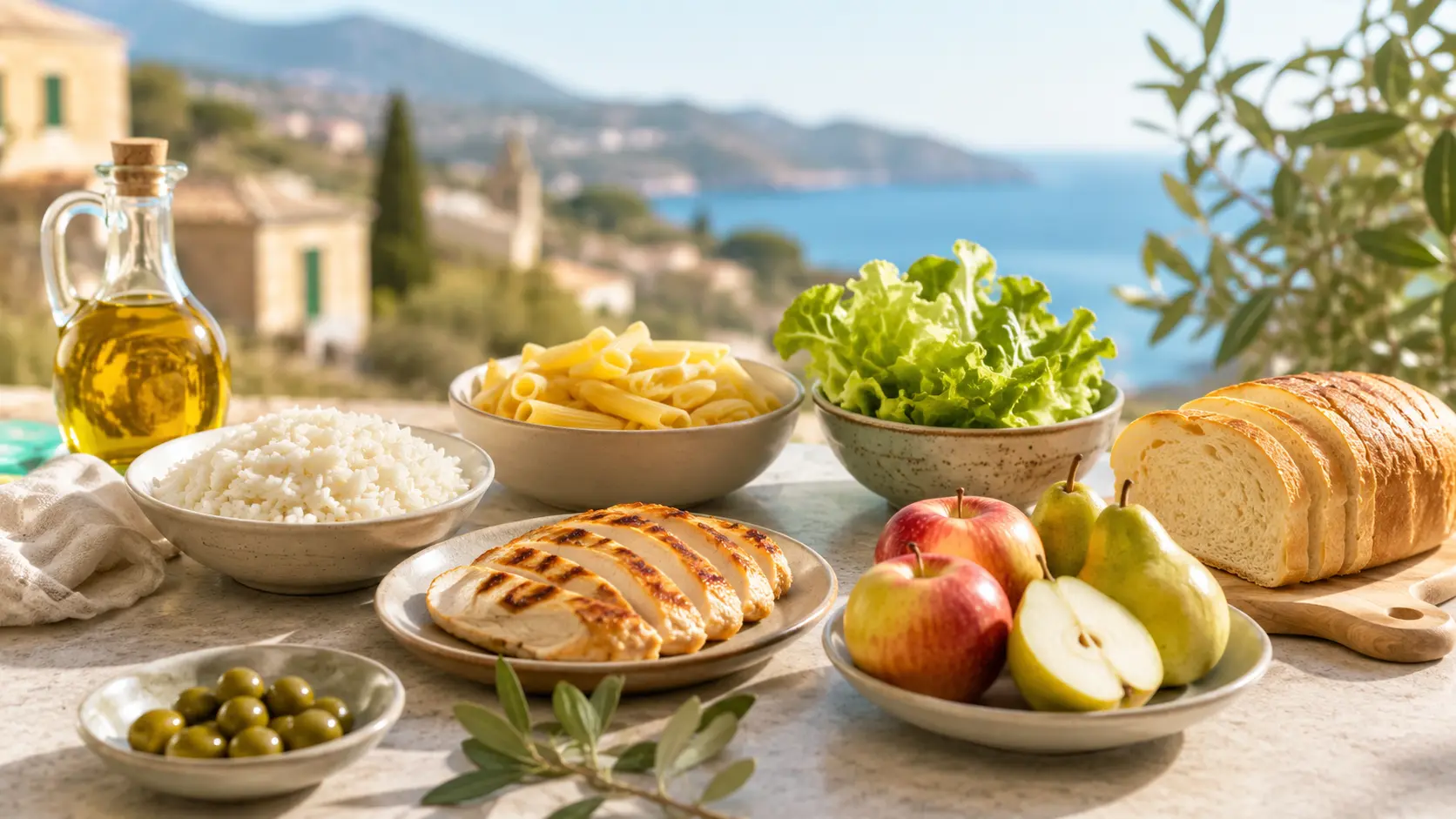
Diet During Dialysis in Mallorca: Tips on Potassium, Low-Potassium Foods, Fluid Intake, Heat, and How to Prepare for Your Vacation.

Anyone planning to undergo dialysis in Mallorca—or while on vacation in general—should also plan their diet carefully. Potassium, in particular, plays an important role here. Many foods contain potassium. In dialysis patients, blood potassium levels can rise. The kidneys can no longer excrete it effectively, or may not be able to excrete it at all. Daily routines often change significantly while on vacation. You have breakfast at the hotel, eat at restaurants, spend more time outdoors, and are often thirstier in warm weather. That’s why it’s a good idea to familiarize yourself with some high-potassium foods before your trip. This makes it easier to choose appropriate meals. Dialyse Mallorca supports German-speaking patients in planning their treatment on the island. This makes it easier to combine medical care with a vacation. Potassium is an important mineral. The body needs potassium for muscles, nerves, and heart rhythm. Fluid balance, blood pressure, and acid-base balance are also linked to it. When the kidneys are no longer functioning properly, potassium levels in the blood can rise. Too much potassium can lead to heart palpitations or irregular heartbeats.
Fatigue, weakness, tingling, muscle problems, tremors, and heavy legs may also occur. However, high potassium levels are not always noticed right away. That is why it is important for patients to know themselves and their bodies well and to understand what and how much of certain foods they can or should eat. In our experience, every patient reacts differently. For example, some people can eat bananas without their potassium levels rising, while others develop what’s known as hyperkalemia just by looking at them. A potassium deficiency is also possible; it can result, for instance, from diarrhea, vomiting, or certain medications. That’s why your diet should always be coordinated with your doctor or treatment team. In Mallorca in particular, there are additional factors to consider. Heat, sweating, longer walks, excursions, and different foods can disrupt your usual routine. Anyone planning to undergo dialysis on the island should therefore have researched this in advance—or, ideally, already know exactly which foods they can tolerate and in what quantities.
Potassium-rich foods on vacation:
Many foods contain potassium. For example, the following are particularly rich in potassium:
● Bananas
● Artichokes
● Apricots
● Kiwis
● Avocados
● Dried fruit
● Potatoes
● Tomatoes
● Spinach
● Legumes
● Nuts
● Chocolate
● Cocoa
● Whole-grain products
● Fruit juices
● Smoothies.
At hotel buffets in particular, some foods are easily underestimated. Fruit, granola, nuts, dried fruit, and juices are often readily available. Smoothies and freshly squeezed juices also seem healthy, but they can contain a lot of potassium. In Mallorca, tomatoes, potatoes, legumes, avocados, artichokes, and fruit are found in many dishes. Tapas, salads, stews, and side dishes may also contain ingredients that affect potassium levels. That doesn’t mean everything is off-limits. What matters most are the amount, frequency, WEEKEND, and your current blood test results. Still, it helps to be aware of typical foods high in potassium while on vacation.
Low-potassium foods in Mallorca:
Even in Mallorca, there are many foods that are better suited to a low-potassium diet. It’s important to make conscious choices and stick to appropriate portion sizes. For example, the following are often better options:
Fruits with less potassium
● Apples
● Pears
● Grapes
● Mandarins
● Peaches
● Pineapples
Vegetables Low in Potassium
● Cucumbers
● Iceberg lettuce
● Zucchini
● Cauliflower
● White cabbage
● Bell peppers
If you're unsure, it's best to ask for a simple recipe.
Lowering Potassium Through Diet:
For some foods, the potassium content can be reduced through proper preparation. This is especially true for potatoes and vegetables. Potatoes are high in potassium. If you still want to eat them, you can prepare them as follows:
● Peel the potatoes.
● Cut the potatoes into small pieces.
● Soak them in water for several hours.
● Drain the water.
● Boil the potatoes in fresh water.
● Do not reuse the cooking water.
Some of the potassium is released into the water during this process. Vegetables can also release potassium into the cooking water. That is why vegetables should be cooked in plenty of water, and the water should be poured out afterward.
While on vacation, it’s difficult to control how food is prepared. At a hotel or restaurant, you often don’t know how potatoes or vegetables were prepared, so you should consciously choose dishes with potatoes, soups, stews, and sauces that contain plenty of vegetables. Soaking and cooking do not remove all the potassium. Portion size therefore remains important.
Beverages, Heat, and Fluid Intake:
It's not just food that contains potassium. Beverages can also affect potassium levels. This is especially important in Mallorca, because heat and sun can increase feelings of thirst. Be especially careful with:
● Fruit juices
● Vegetable juices
● Smoothies
● Coconut water
● Tomato juice
Water, herbal tea, or fruit tea are often better choices. We know you’re on vacation and want to treat yourselves a little. That’s why it’s important to plan well and keep the weekend in mind. Especially in the summer, you sweat more quickly in Mallorca. This often makes you thirstier. Still, you shouldn’t drastically increase your fluid intake on your own. Planning your day well can be helpful. Outings in the morning or evening are often more pleasant than activities in the midday heat. Shade, breaks, and air-conditioned rooms can help your body cope. Salty foods can also increase thirst. These include chips, olives, heavily spiced tapas, or salty snacks. If you eat less salty food, you can often better maintain your fluid intake. That’s because 9 g of salt binds 1 liter of water.
Protein:
Sources of protein are also important, as protein plays a key role in many metabolic processes. However, dialysis patients often no longer enjoy the taste of meat because it has a metallic aftertaste. That is why it is important to turn to other sources of protein. When consumed, these foods produce waste products such as phosphorus, urea, and creatinine. It is therefore important to take your phosphate binders correctly.
Sources of protein:
● Eggs
● Fish
● Poultry
● Cream cheese
● Quark
If you have any questions about dialysis in Mallorca, you can contact Dialyse Mallorca directly. The team is also happy to help with questions about appointments or paperwork.
Contact:
Email: info@dialysemallorca.de
Phone: +49 (0) 2973 59689200
Fax: +49 (0) 2973 59689209
Centro De Dialisis Alcudia Sl (+34 601 12 28 16)